The Silly Season Has Its Own Phrasebook Of Nonsense
Late summer is when British newspapers traditionally run thin on real news and thick on odd ones, a stretch known as the silly season. The phrases we reach for to describe that filler, and the stories it produces, have their own overlooked histories.
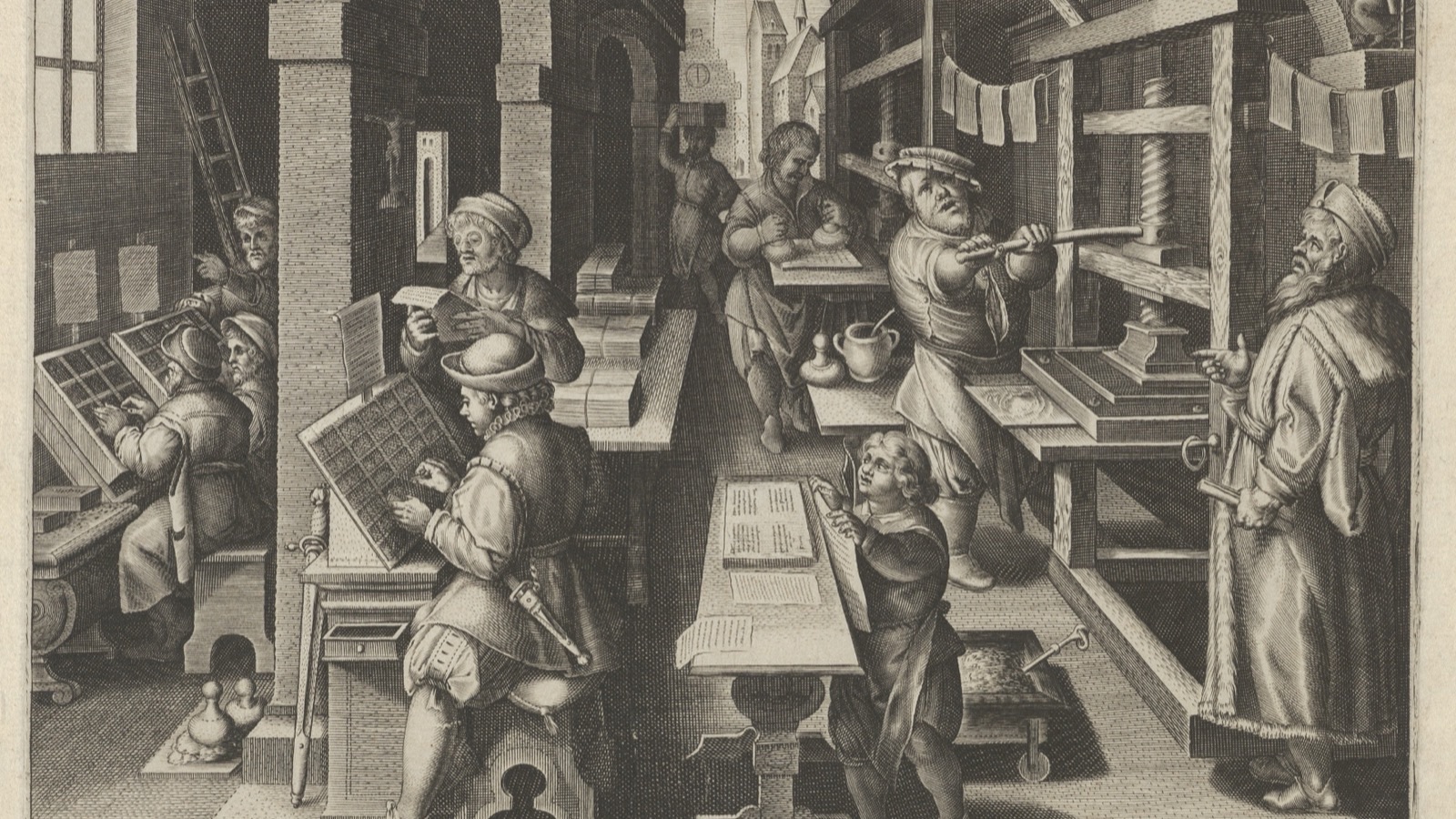
August is when the news drought bites hardest in Britain. Parliament is in recess, courts are quiet, and papers fall back on a period with its own name: the silly season, a stretch of late summer and early autumn when trivial material fills space that would otherwise carry real news. The stories it produces have a family resemblance, and so, usefully, do the phrases English has built to describe them.
A Name For The Drought
The silly season is old enough that nobody in newsrooms bothers to explain it any more. It simply denotes the run of weeks when coverage tilts towards the trivial because the important things have gone quiet. What lands on the page during that drought tends to fall into a handful of recognisable shapes, and each one has its own name and its own history.
The Fictions That Fill The Gap
A story too implausible to credit is a cock and bull story, a phrase that sounds like it ought to come with a neat origin tale attached, and does, just not a true one. The popular version has rival gossip passed between two coaching inns in Stony Stratford, each pub supplying its own exaggerated version of events, but that account is a debunked folk etymology. The phrase was already in circulation before that legend took hold: a 1608 play mentions “a tale of a cock and a bull,” which places the expression well ahead of the inn-sign story invented to explain it.
Exaggeration on a grander scale gets its own label. A tall story was coined in 19th-century England for a boast stretched past belief, and at the time such tales were also nicknamed Munchausens, after Baron von Münchhausen, who might sound fictional but was a real person, a soldier given to extravagantly untruthful stories about his own exploits. The nickname has faded; the phrase it sat alongside has outlasted it.
Then there is the story that isn’t really about anything at all. A shaggy dog story rambles at length towards a payoff that turns out to be trivial or absurd, and the most likely source is a 1926 newspaper piece by the American author, dog breeder and journalist Albert Payson Terhune, written up as though it were a genuine, meandering dog anecdote. It is, in other words, exactly the kind of thing a paper runs when it has column inches to fill and nothing urgent to put in them.
The Half Of The Phrase That’s Younger Than It Sounds
The other half of “silly season”, the press itself, supplies a phrase that feels older than it is. Hot off the press conjures images of hot-metal printing stretching back centuries, but the idiom itself did not emerge until the 20th century. One early example turns up in a 1910 New Jersey newspaper advertisement, promoting a price sheet as “just hot off the press and a strictly up-to-date cut price sheet of great value to housekeepers.” So even the phrase hot off the press is, by the standards of English idiom, a fairly recent arrival, newer than the tall stories and cock and bull tales it ends up carrying.
Between them, these four phrases describe the silly season better than most editorials could: a drought of real news, filled with cock and bull, dressed up as tall stories, padded out shaggy-dog fashion, and delivered hot off the press regardless.